


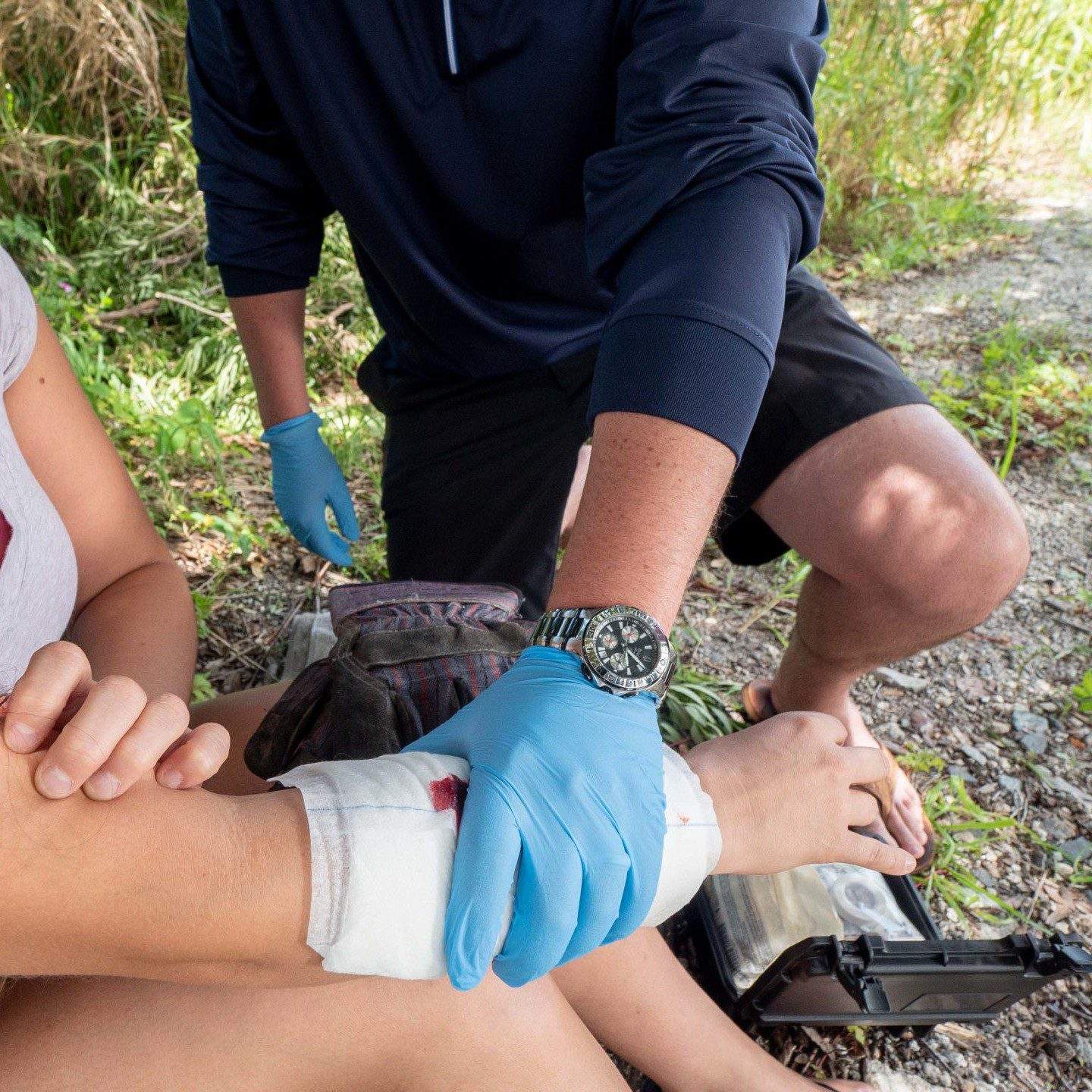
Bloodborne Pathogens
$35.00
The Spartan Bloodborne Pathogens course can prepare you for those unfortunate “clean-ups” on aisle three!
Description
This OSHA* and ILCOR compliant course is intended to teach users about pathogens that can be encountered through bodily fluids. Designed for workplace use it teaches participants about the hazards, prevention, and solutions for fluid events. This course meets workplace requirements for individuals with a reasonable risk of encountering fluid interactions.
Cost of course includes: eLearning code; classroom time with instructor; certification (card and wall display available at an extra cost).
Read the full Course Standards & Procedures
Who this course is for:
- People wanting to be more prepared
- Businesses hoping to protect employees
- Lifeguards, babysitters and care givers
- Those who need OSHA* and ILCOR compliant training
Course prerequisites
- Minimum age 18, 10 with parental consent
What you can expect to learn:
The Bloodborne Pathogens program is designed to train layperson rescuers for:
- Reporting and logging procedures.
- Application and removal of PPE
- Disposal of hazardous waste
What’s in it for you:
Upon successful completion of the course, graduates may:
- Identify possible sources of infection.
- Use appropriate levels of personal protection equipment to address possibly infectious materials.
- Dispose of and clean areas with possibly infected materials.
How to take the Spartan Bloodborne Pathogens course
There are two components to your training in order to receive your certification. The first is academics and the second is skills. You must first pass your academics training to proceed to the second phase and work with an instructor in a classroom setting.
*The Occupational Safety and Health Administration is an agency of the United States Department of Labor.
The OSHA bloodborne pathogens standard from 1910.1030(g)(2)
This requires employers to provide training to any employees who have occupational exposure to blood or other potentially infectious materials, such as employees assigned medical or first aid duties by their employers. The standard at 29 CFR 1910.1030(b) defines “occupational exposure” as “reasonably anticipated skin, eye, mucous membrane, or parenteral contact with blood or other potentially infectious materials that may result from the performance of an employee’s duties.” If an employee is trained in first aid and identified by the employer as responsible for rendering medical assistance as part of his/her job duties, that employee is covered by the bloodborne pathogens standard.
Only logged in customers who have purchased this product may leave a review.



Reviews
There are no reviews yet.